Blog
What Is a 3D Metal Sign and Why Are Businesses Loving Them?

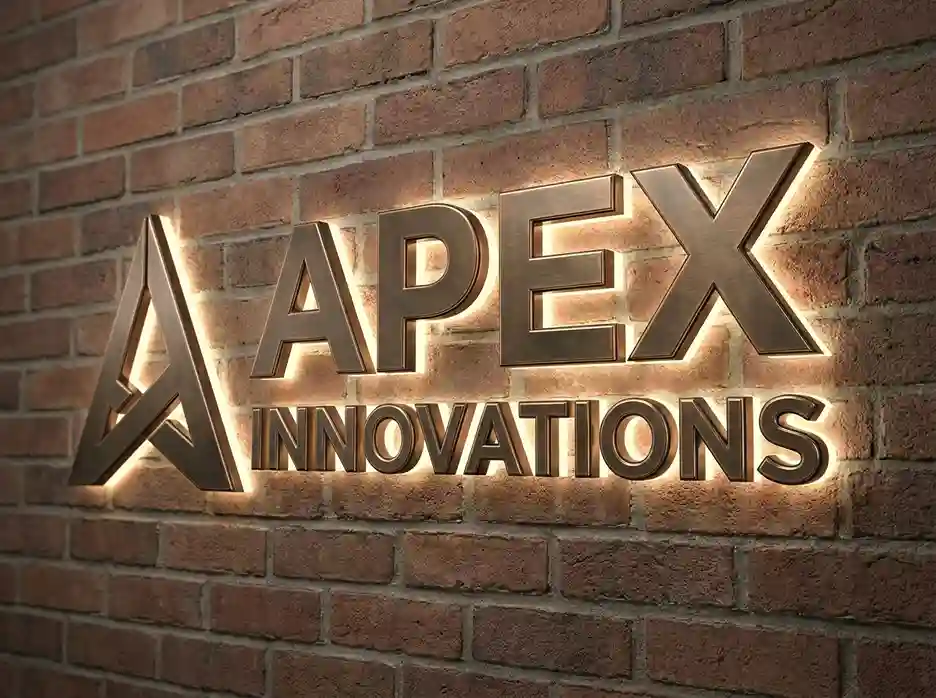
Walk down any modern high street and you’ll notice a pattern. The businesses that catch your eye first aren’t always the loudest or the biggest — they’re often the ones with signage that has depth, weight and a genuine sense of craftsmanship. That raised, dimensional lettering catching the afternoon light against a brick or render wall? There’s a very good chance you’re looking at a 3D metal sign.
Over the past few years, 3D metal signs have moved from a “premium upgrade” reserved for law firms and five-star hotels to a mainstream choice for cafés, gyms, dental clinics, retailers and corporate offices alike. If you’ve been researching signage options for your own storefront or office and keep running into the term “3D metal sign” without a clear explanation of what it actually means, this guide will walk you through everything: what these signs are, how they’re made, why so many businesses are choosing them, and how to decide whether one is right for your brand.
What Is a 3D Metal Sign?
A 3D metal sign is a piece of signage where the letters, logo or graphic elements are cut from solid metal and stand away from the mounting surface, creating genuine physical depth rather than a flat, printed appearance. Instead of a sheet of vinyl or a printed acrylic panel, you’re looking at individually fabricated letters — usually aluminium, stainless steel, brass or copper — that are shaped, finished and mounted so they cast real shadows and catch real light which you can buy from neons nest Australia
That three-dimensional quality is the whole point. A flat sign reads as a graphic. A 3D metal sign reads as an object — something built, not printed — and that distinction does a lot of quiet work for how a brand is perceived before a customer even walks through the door.
Most 3D metal signs fall into one of two broad build styles:
- Individually cut letters or logo shapes, mounted directly to a wall, fascia or reception feature
- A full sign panel with raised metal elements, where a background panel (often acrylic, wood or a second metal layer) supports raised or applied metal lettering
Both approaches share the same core idea: the lettering itself has physical thickness and stands proud of its background, rather than sitting flush against it.
How Are 3D Metal Signs Made?
Understanding the fabrication process helps explain both the visual quality and the cost of these signs — and it’s worth knowing before you request a quote, so you can ask informed questions.
1. Design and Digital Mockup
The process starts with your logo, brand name or artwork being converted into a precise digital file. A good custom sign fabricator will send you a photo-real mockup showing exactly how the sign will look on your actual wall or shopfront — sizing, spacing, colour and lighting — before anything is cut. This step matters more than it sounds: metal is not a forgiving material to redo, so getting the proportions and placement approved digitally first avoids costly rework.
2. Cutting
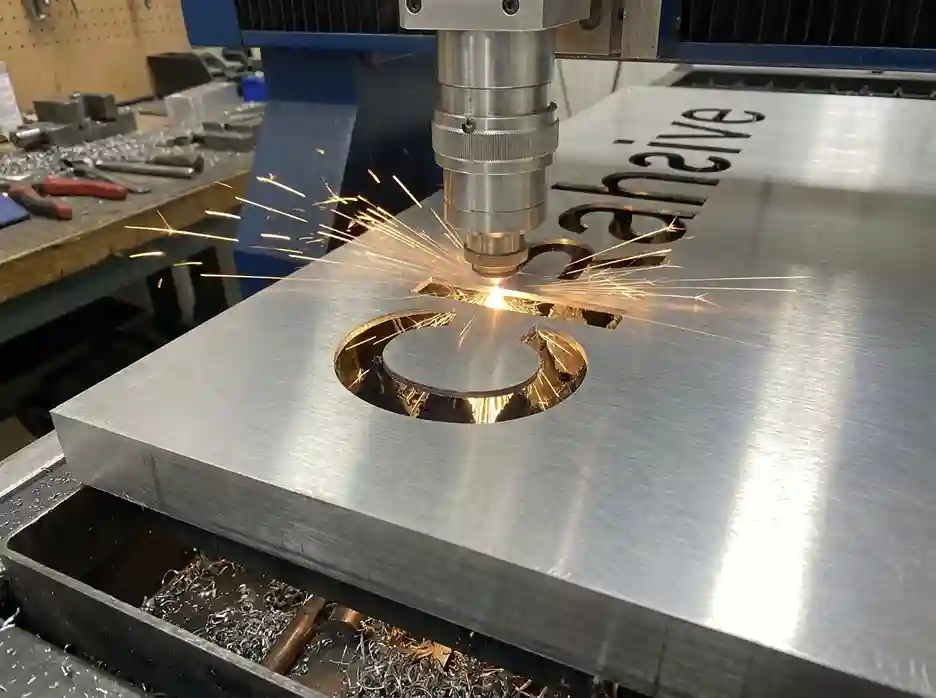
Letters and logo shapes are cut from flat metal sheet using laser cutting or CNC routing, depending on the metal type and thickness. Laser cutting produces extremely crisp edges and is standard for stainless steel, aluminium and brass in the thicknesses used for signage (typically 3mm–10mm). This is where the precision of a 3D metal sign really separates it from hand-cut or printed alternatives — laser-cut edges are sharp, consistent and free of the slight waviness you sometimes see in other cutting methods.
3. Finishing
Once cut, each letter is finished according to the desired look:
- Brushed — a fine linear texture that reduces glare and hides fingerprints, popular for stainless steel
- Polished/mirror — a high-shine, reflective finish often used for smaller logo elements or premium branding
- Powder-coated — baked-on colour finish available in virtually any Pantone-matched shade, ideal for brand-colour lettering
- Brushed gold, bronze or black — anodised or specialty finishes for a boutique, high-end aesthetic
4. Mounting Preparation
This is where the “3D” effect is engineered. Letters are fitted with mounting studs (standoffs) on their reverse side, spacing them 15mm–40mm away from the wall. That gap is what creates the shadow line and sense of depth — without it, even a metal letter would read as flat.
5. Illumination (Optional)
Many 3D metal signs incorporate LED lighting for after-dark visibility:
- Halo-lit (backlit) — LEDs are mounted behind the letters, so light glows outward around the edges against the wall, creating a soft “floating” halo effect at night. This is the signature premium look you’ll see on corporate lobbies and boutique storefronts.
- Face-lit (front-lit) — LEDs illuminate through a translucent face on the letter itself, producing a brighter, more direct glow — common for retail and hospitality signage that needs to read clearly from a distance.
- Non-illuminated — no lighting at all, relying purely on the metal’s finish and the shadow line for visual impact. This is the lowest-cost option and remains extremely popular for daytime-trading businesses like offices, medical suites and law firms.
6. Installation
Finished letters are shipped with a drilling template so the mounting holes line up precisely, or installed directly by the fabricator’s own team. Wired, illuminated signs require an electrician to make the final power connection, though most fabricators supply signs pre-wired and tested so this is typically a quick job.
Types of 3D Metal Signs
Not every 3D metal sign looks or functions the same way. Here’s a breakdown of the main categories businesses choose between:
- 3D Metal Letters (Dimensional Lettering) Individual letters, cut and mounted directly to a wall or fascia — no background panel. This is the classic corporate-lobby and shopfront look, whether illuminated or not.
- Metal Logo Signs A cut-metal reproduction of a brand’s logo mark, often combined with 3D lettering for the business name. Common in reception areas and above building entrances.
- Halo-Lit Metal Signs As described above — metal letters with concealed LEDs producing a backlit glow. The most premium-reading option and a favourite for hotels, hospitality venues and flagship retail.
- Metal Building Signs Larger-format 3D metal signage designed for building exteriors, fascias and pylon signs — engineered for wind load and weatherproofing at scale.
- Metal Floating Signs Letters or panels mounted on extended standoffs for a more dramatic shadow-and-depth effect, often used as a design feature in reception areas or above entrances.
- Non-Illuminated Metal Plaques and Door Signs Smaller-scale 3D metal signage for office doors, boardroom plates and directional signage — where the material quality matters more than brightness.
Why Are Businesses Loving 3D Metal Signs?
The shift toward metal signage isn’t a passing design trend — it’s being driven by a handful of very practical business reasons.
1. They Signal Quality Before a Customer Says a Word
Signage is often a customer’s first physical interaction with a brand, and materials communicate quality instantly and unconsciously. A flat vinyl or printed sign, however well-designed, reads as temporary. A dimensional metal sign reads as permanent, considered and premium — an implicit signal that the business behind it takes quality seriously. For sectors like law, finance, medical and high-end retail, that first impression carries real weight.
2. Genuine Durability
Metal signage, especially aluminium and stainless steel, is built to withstand years of sun exposure, rain, wind and temperature swings without fading, cracking or peeling — the failure modes that plague printed vinyl and lower-grade plastic signage within a couple of years. A well-fabricated 3D metal sign with a quality powder-coat or anodised finish can realistically last a decade or more outdoors with minimal maintenance.
3. They Work Indoors and Outdoors
Unlike some illuminated signage types that are purpose-built for one environment, 3D metal signs scale naturally between reception walls, boardrooms, building exteriors and street-facing shopfronts. A business can commission a consistent look — the same font, finish and lettering style — across every touchpoint from the front door to the internal signage, reinforcing brand consistency throughout the customer journey.
4. Low Maintenance, Long-Term Value
Once installed, a 3D metal sign requires very little upkeep — the occasional wipe-down with mild soap and a soft cloth is typically all that’s needed. There’s no laminate to peel, no ink to fade, and no fragile glass tubing to worry about (a real advantage over traditional neon). For business owners thinking in terms of cost-per-year rather than upfront price, metal signage frequently works out cheaper over a 5–10 year horizon than repeatedly replacing lower-cost alternatives.
5. Genuine Customisation
Because every letter is individually cut, there’s no meaningful design constraint beyond physics — any font, logo shape, size or finish combination is achievable. Businesses can match Pantone brand colours precisely through powder coating, mix metal types for a layered look, or combine illuminated and non-illuminated elements within a single sign.
6. Measurable Impact on Foot Traffic and Recognition
Signage is one of the most consistently cited factors in local business visibility. A distinctive, well-lit dimensional sign is easier to spot from a distance, easier to remember, and does more to differentiate a business from neighbouring shopfronts using flat or printed signage. For street-facing retail and hospitality in particular, this translates directly into walk-in traffic.
7. They Photograph Well
In an era where a storefront is as likely to be seen on Instagram or Google Maps as in person, the shadow-and-light interplay of a 3D metal sign photographs significantly better than flat signage — particularly halo-lit signs at dusk, which have become something of a design signature for hospitality venues chasing social visibility.
3D Metal Signs vs. Other Sign Types
It’s worth understanding how metal signage compares to the alternatives most businesses consider alongside it.
3D Metal Signs vs Acrylic Signs Acrylic is lighter, generally less expensive, and available in a wider range of vivid colours through face-lit illumination. Metal offers superior durability, a more premium tactile and visual quality, and better long-term weather resistance outdoors. Many businesses combine both — metal for exterior branding, acrylic for interior reception signage where budget and colour flexibility matter more.
3D Metal Signs vs LED Neon Signs LED neon (flexible tube lighting) excels at organic script fonts, bold colour and an eye-catching glow — ideal for bars, cafés and feature walls. It’s not typically used for a business’s primary exterior identity sign the way metal is, since neon reads as decorative rather than corporate. The two are complementary rather than competing: a metal sign out front, LED neon inside for atmosphere.
3D Metal Signs vs Vinyl Banners and Printed Signage Vinyl is the budget and short-term option — fast to produce, inexpensive, and appropriate for temporary promotions or seasonal signage. It simply isn’t built for a permanent brand identity; UV exposure typically fades vinyl within 12–24 months outdoors. For anything meant to represent a business for years rather than months, metal is the more sensible long-term investment.
3D Metal Signs vs Channel Letters Channel letters (illuminated box letters, often front-lit) are a specific sub-category that can be built in metal. Compared to solid 3D metal letters, channel letters are typically lighter, more affordable to illuminate at scale, and are the industry standard for large storefront branding where maximum daytime and night-time visibility matters more than a premium tactile finish.
What Influences the Cost of a 3D Metal Sign?
Pricing varies significantly based on several factors, which is worth understanding before requesting quotes:
- Material choice — aluminium is generally the most cost-effective; stainless steel and brass carry a premium for both material cost and machining time
- Size and letter count — larger and more detailed lettering requires more material and cutting time
- Illumination — non-illuminated signs are the most affordable; halo-lit signs cost more than face-lit due to the additional wiring and mounting complexity
- Finish — powder coating, brushed and polished finishes each carry different costs; custom Pantone colour matching typically adds a modest premium over standard finishes
- Mounting complexity — standard flush or standoff mounting is more affordable than complex multi-depth or curved installations
- Installation — professional installation, especially for larger exterior signs, is typically quoted separately from fabrication
As a general guide, small non-illuminated interior metal letters can start in the low hundreds of dollars, while large illuminated exterior installations can run into the thousands — which is why getting an itemised quote broken down by material, fabrication and illumination is worth insisting on.
How to Choose the Right 3D Metal Sign for Your Business
A few practical questions can help narrow down the right specification:
- Where will it be installed?
Outdoor signage needs UV-stable finishes and weatherproof mounting; interior signage has more flexibility in material and finish choice. - Does it need to be visible at night?
If foot traffic or drive-by visibility matters after dark, halo-lit or face-lit illumination is worth the additional investment. - What does your brand’s visual identity call for?
A minimalist, modern brand often suits brushed stainless steel or matte black powder coat; a boutique or heritage brand may lean toward brass, copper or gold-tone finishes. - What’s the mounting surface? Brick, render, glass and cladding each have different fixing requirements — flag this with your fabricator early, as it affects both design and installation cost.
- Does your lease or local council have signage restrictions? Illuminated and larger exterior signs frequently require council or landlord approval — a reputable fabricator will supply the drawings and specifications this process requires.
Installation and Maintenance Tips
Once your sign is fabricated, a few practical points will help it perform well for years:
- Confirm structural suitability of the mounting surface before installation — render and older masonry sometimes need additional anchoring hardware
- Have illuminated signs professionally wired and tested before final sign-off
- Clean with a soft cloth and mild soap only — avoid abrasive cleaners or pressure washing directly on illuminated components
- Check LED-lit signs annually if illuminated, to confirm all diodes remain functional; quality LED modules are typically rated for 50,000+ hours but occasional module replacement is normal maintenance over a decade of use
- Inspect standoffs and fixings periodically, particularly in high-wind coastal locations, to confirm mounting hardware remains secure
Frequently Asked Questions
What metals are typically used for 3D metal signs? Aluminium, stainless steel, brass and copper are the most common choices. Aluminium is lightweight and cost-effective; stainless steel offers the best combination of strength and weather resistance; brass and copper are chosen primarily for their premium, warm-toned aesthetic.
How long do 3D metal signs last? With a quality finish and proper installation, outdoor 3D metal signs typically last 10 years or more with minimal maintenance. Indoor signage, protected from weather, often lasts even longer.
Are 3D metal signs more expensive than other sign types? Generally yes, compared to printed vinyl or basic acrylic signage — but the gap narrows considerably when you factor in the much longer lifespan and lower replacement frequency of metal signage over a 5–10 year period.
Can 3D metal signs be illuminated? Yes. Halo-lit (backlit glow) and face-lit (direct illumination through the letter face) are both common options, alongside non-illuminated signs for daytime-only visibility needs.
Do 3D metal signs need council approval? It depends on your local council and whether the sign is illuminated, projects from the building, or exceeds certain size thresholds. Non-illuminated interior signage typically doesn’t require approval; larger illuminated exterior signage often does. A signage fabricator experienced in your area should be able to advise and supply the required documentation.
What’s the difference between halo-lit and face-lit metal signs? Halo-lit signs have LEDs mounted behind the letters, so light glows outward around the edges against the wall — a soft, premium “floating” effect. Face-lit signs illuminate through a translucent panel on the letter’s front face, producing brighter, more direct light that’s easier to read from a distance.
Can 3D metal signs be repainted or refinished if my branding changes? In many cases, yes — powder-coated finishes can often be reapplied in a new colour, and metal is generally more forgiving of refinishing than printed or laminated signage. It’s worth discussing this with your fabricator at the design stage if brand flexibility is a priority.